What Closing Costs to Expect
Buying a home is exciting, buy many buyers forget to budget for closing costs. Before you get the keys to your new home, there are additional expenses that help finalize the mortgage process.
Understanding these costs ahead of time can help you prepare financially and avoid surprises on closing day.
What Are Closing Costs?
Closing costs are the fees and expenses required to finalize a mortgage loan. These costs apply whether you’re purchasing a home or refinancing an existing mortgage.
While buyers typically pay most closing costs, sellers often cover expenses as well, including real estate commissions.
How Much Are Closing Costs?
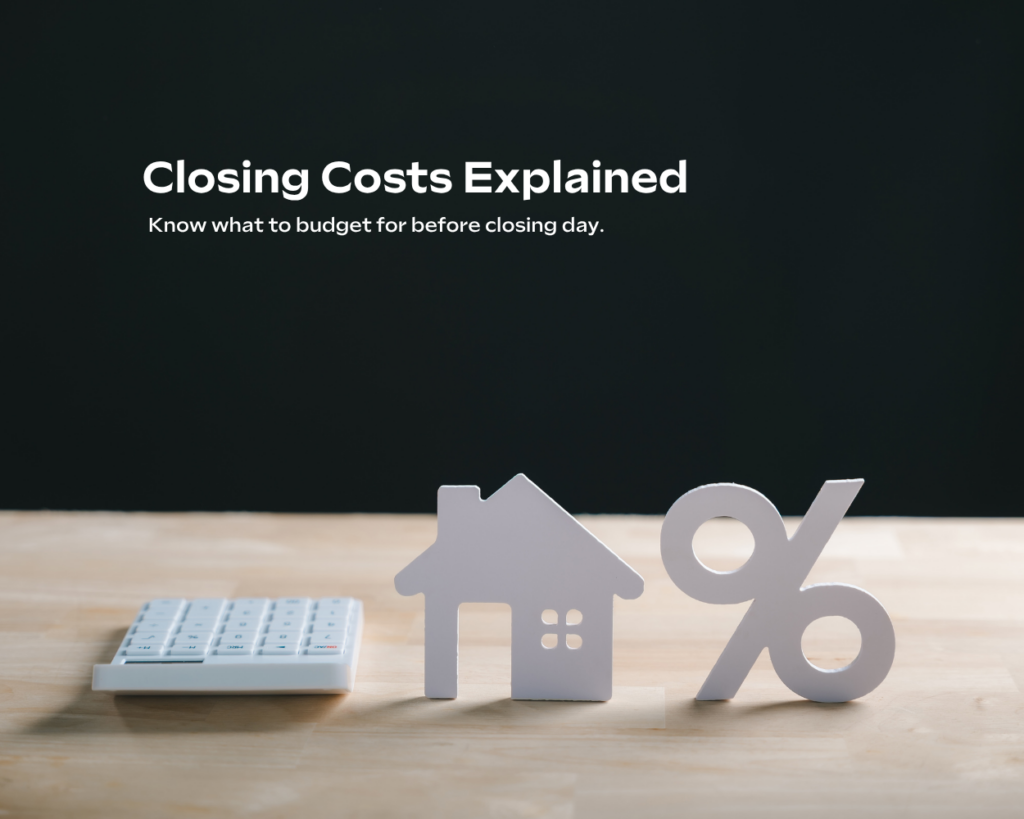
In most cases, buyers can expect closing costs to range from 2% to 5% of the loan amount. That usually equals about $2,000 to $5,000 for every $100,00 borrowed.
The exact amount depends on several factors, including:
- Loan type
- Property location
- Down payment amount
- Lender requirements
How Do You Pay Closing Costs?
Homebuyers generally have two options when paying closing costs.
Some buyers choose to pay the costs upfront at closing. Others may roll certain expenses into the loan amount if the mortgage program allows it.
Although financing closing costs can reduce upfront expenses, paying them at closing may save money on interest over time.
Common Closing Costs
Closing costs vary depending on the lender, property location, and mortgage type. her are some of the most common fees buyers may see during the mortgage process.
Home Appraisal
An appraisal helps determine the home’s market value and how much the lender may allow you to borrow. In many cases, appraisal costs range from $300 to $600.
Application Fee
This fee covers the costs of processing the loan application, including credit checks and administrative work.
Attorney Fees
Some states require an attorney to be present during the closing process. Attorney fees vary depending on the services provided.
Loan Origination Fee
Lenders may charge this fee for preparing and processing the mortgage loan. It can include document preparation, underwriting, and administrative costs.
Private Mortgage Insurance (PMI)
Buyers who put down less than 20% may be required to carry private mortgage insurance. PMI helps protect the lender if the loan goes into default.
Homeowners Insurance
Most lenders require buyers to prepay the first year of homeowners insurance at closing.
Property Taxes
Depending on the timing of the purchase, buyers may need to prepay a portion of annual property taxes at closing.
Title and Transfer Fees
These costs cover services related to verifying property ownership and legally transferring the title to the buyer.
Mortgage Discount Points
Some buyers choose to purchase discount points to reduce their mortgage interest rate. While optional, discount points can lower monthly payments and reduce interest costs over the life of the loan.
How Will I Know What I’m Responsible For?
After applying for a mortgage, your lender will provide a Loan Estimate within three business days. This document outlines estimated loan terms, monthly payments, interest rates, and expected closing costs.
Then, shortly before closing day, you’ll receive a Closing Disclosure. This document reflects the final numbers for your loan agreement and closing expenses.
Review both documents carefully and ask questions if anything is unclear. While some costs are fixed, others may be negotiable.
Are Closing Costs Tax-Deductible?
Some closing costs may qualify for tax deductions, including mortgage interest, points, and certain property taxes. However, many fees — such as appraisal costs, title services, and attorney fees — are usually not deductible.
Because every financial situation is different, it’s best to speak with a tax professional about your specific circumstances>
Talk With a Mortgage Lender
If you’re preparing to buy a home and have questions about closing costs, speak with one of the mortgage lenders at Chickasaw Community Bank. Our team can help explain the mortgage process, review estimated costs, and help you find a home loan that fits your budget.